
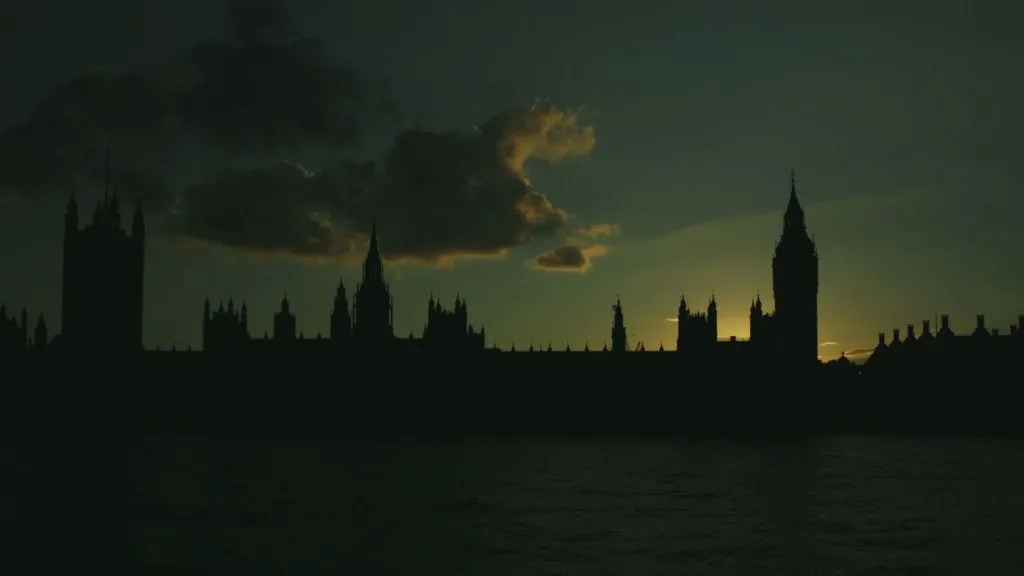
Το άρθρο του BBC εξετάζει τους κινδύνους μιας μεγάλης και παρατεταμένης διακοπής ηλεκτρικού ρεύματος, η οποία θα μπορούσε να προκληθεί από ακραία καιρικά φαινόμενα, πλημμύρες ή κυβερνοεπιθέσεις.
1. Το παράδειγμα του Lancaster
Τον Δεκέμβριο του 2015, η πόλη Lancaster στη Βρετανία υπέστη εκτεταμένη διακοπή ηλεκτροδότησης, όταν πλημμύρισε ο ποταμός Lune.
Περίπου 61.500 άνθρωποι έμειναν χωρίς ηλεκτρικό ρεύμα. Οι συνέπειες ήταν σοβαρές:
Τα σπίτια έχασαν τον φωτισμό και τη θέρμανση.
Διακόπηκε η παροχή νερού σε ορισμένες περιοχές.
Έκλεισαν ο σιδηροδρομικός σταθμός, τα πρατήρια καυσίμων και τα καταστήματα.
Τα περισσότερα ATM και τα φανάρια κυκλοφορίας σταμάτησαν να λειτουργούν.
Οι τηλεπικοινωνίες παρουσίασαν σοβαρά προβλήματα.
Τα μόνα αξιόπιστα μέσα επικοινωνίας που παρέμειναν σε λειτουργία ήταν τα παλιά σταθερά τηλέφωνα με χάλκινα καλώδια και το ραδιόφωνο FM.
2. Τι είναι ένα γεγονός «Black Sky»;
Ο όρος Black Sky περιγράφει μια κατάσταση κατά την οποία μια εκτεταμένη διακοπή ηλεκτρικής ενέργειας προκαλεί αλυσιδωτή κατάρρευση βασικών υπηρεσιών.
Δεν πρόκειται απλώς για το σβήσιμο των φώτων. Μπορεί να επηρεαστούν:
Η ύδρευση και η αποχέτευση.
Οι τηλεπικοινωνίες και το διαδίκτυο.
Η προμήθεια τροφίμων και καυσίμων.
Οι τραπεζικές συναλλαγές.
Οι μεταφορές και οι υπηρεσίες έκτακτης ανάγκης.
Οι ειδικοί θεωρούν ότι η Βρετανία πρέπει να είναι σε θέση να αντιμετωπίσει μια τέτοια κρίση για τουλάχιστον 72 ώρες.
3. Το σχέδιο έκτακτης ανάγκης του BBC
Το BBC έχει αναπτύξει ειδικό σχέδιο για την περίπτωση γενικευμένης διακοπής ρεύματος.
Περιλαμβάνει:
Ένα ειδικό στούντιο έκτακτης ανάγκης με περίπου 100 εργαζομένους.
Ανεξάρτητα και ασφαλή συστήματα επικοινωνίας, τα οποία δεν εξαρτώνται από το διαδίκτυο.
Αποθέματα τροφίμων, νερού και καυσίμων για τουλάχιστον τρεις ημέρες.
Εφεδρικούς ραδιοφωνικούς πομπούς που λειτουργούν με γεννήτριες πετρελαίου.
Δημοσιογράφους σε επιλεγμένα κέντρα έκτακτης ανάγκης, οι οποίοι θα μεταδίδουν πληροφορίες μέσω δορυφορικών συστημάτων.
Το ραδιόφωνο FM θεωρείται ιδιαίτερα σημαντικό, επειδή μπορεί να συνεχίσει να λειτουργεί ακόμη και όταν το διαδίκτυο και τα δίκτυα κινητής τηλεφωνίας έχουν καταρρεύσει.
4. Οι κίνδυνοι για τις σύγχρονες κοινωνίες
Το άρθρο επισημαίνει μια σημαντική αντίφαση: όσο περισσότερο εξαρτόμαστε από την τεχνολογία και τα ψηφιακά συστήματα, τόσο πιο ευάλωτοι γινόμαστε όταν αυτά σταματήσουν να λειτουργούν.
Επιπλέον, πολλά παλαιότερα εφεδρικά συστήματα έχουν καταργηθεί στο όνομα της οικονομίας και της αποτελεσματικότητας.
Για παράδειγμα:
Το παραδοσιακό τηλεφωνικό δίκτυο με χάλκινα καλώδια πρόκειται να καταργηθεί στη Βρετανία στις 31 Ιανουαρίου 2027.
Οι υπηρεσίες έκτακτης ανάγκης μεταβαίνουν σε σύγχρονα δίκτυα κινητής τηλεφωνίας 4G και 5G.
Το μέλλον του ραδιοφώνου FM βρίσκεται υπό κυβερνητική επανεξέταση.
Αυτό δημιουργεί ανησυχίες σχετικά με το πώς θα επικοινωνούν οι πολίτες και οι υπηρεσίες έκτακτης ανάγκης σε περίπτωση γενικευμένης διακοπής ρεύματος.
5. Τι πρέπει να κάνουν οι πολίτες;
Η βρετανική κυβερνητική εκστρατεία «Be Ready» προτρέπει τους πολίτες να προετοιμαστούν για πιθανές καταστάσεις έκτακτης ανάγκης.
Συνιστάται να υπάρχουν στο σπίτι βασικά εφόδια, όπως:
Πόσιμο νερό.
Τρόφιμα μακράς διάρκειας.
Φακός και εφεδρικές μπαταρίες.
Ραδιόφωνο FM με μπαταρίες ή χειροκίνητη φόρτιση.
Βασικά φάρμακα και είδη πρώτων βοηθειών.
Εναλλακτικά μέσα φωτισμού.
Είδη προσωπικής υγιεινής.
Παράλληλα, αναπτύσσονται νέες τεχνολογίες, όπως ειδικά αεροσκάφη μεγάλου ύψους (HAPS), τα οποία θα μπορούσαν να παρέχουν προσωρινή κάλυψη κινητής τηλεφωνίας και διαδικτύου σε περιόδους κρίσης.
Βασικό συμπέρασμα του άρθρου
Το σημαντικότερο μήνυμα είναι ότι μια γενικευμένη διακοπή ηλεκτρικού ρεύματος μπορεί να παραλύσει σχεδόν κάθε πτυχή της σύγχρονης καθημερινής ζωής.
Η ηλεκτρική ενέργεια αποτελεί τη βάση της ύδρευσης, της επικοινωνίας, της υγείας, των μεταφορών και της τροφοδοσίας.
Οι ειδικοί εκτιμούν ότι περίπου τρεις ημέρες μπορεί να είναι αρκετές για την αποκατάσταση των βασικών λειτουργιών, αλλά αυτές οι ημέρες ενδέχεται να είναι εξαιρετικά δύσκολες για όσους δεν έχουν προετοιμαστεί.
Το πιο ανησυχητικό σημείο: Παρά την τεχνολογική πρόοδο, ενδέχεται να έχουμε χάσει ορισμένα από τα απλά αλλά αξιόπιστα εφεδρικά συστήματα που θα μας βοηθούσαν να αντιμετωπίσουμε μια τέτοια κρίση.
Το πρακτικό μήνυμα: Δεν χρειάζεται πανικός, αλλά χρειάζεται πρόνοια. Κάθε νοικοκυριό καλό είναι να μπορεί να αυτοεξυπηρετηθεί για τουλάχιστον 72 ώρες χωρίς ηλεκτρικό ρεύμα, νερό δικτύου ή πρόσβαση στο διαδίκτυο.
********************
What happens if all the lights go out? This is the plan for a ‘Black Sky’ event
The governments “Be Ready” campaign warns that severe weather and cyber-attacks could disrupt essential services
It was a Saturday night in early December when Roger Kemp realised something was very wrong.
“I was halfway through a Scandi crime drama when everything went off,” the professor at Lancaster University told the BBC. “Streetlights were off. The sodium glow that we can see over the horizon from Morecambe was off.”
The next day he went for a walk.
“[It was] almost like a zombie movie,” he said. “People trying to find phone reception, wondering where things were, and there was a huge queue at the one working telephone box.”
At 22:45 on 5 December 2015, the River Lune – which flows directly through Lancaster – had flooded, and the electricity supply to 61,500 people in the city went.
Households lost light and heat, some water supplies also began to fail because they relied on electric pumps. The railway station closed. So too petrol stations and shops. Most cash machines didn’t work. Traffic lights failed.
Responsible or panicked? Meet the people around the world already preparing for crisis
Why should I stockpile and what will I need?
The two communication systems that survived were copper wire landline telephones and FM radio. The local commercial radio station The Bay had an emergency generator and one landline and a reporter was sent outside the affected area to ring in with information.
Three months later, Kemp, a professor of engineering with a specialism in safety and electrical systems, gathered people together to look at everything that had gone wrong.
“It is perhaps ironic that, in a society with huge commitment to digital infrastructure, the most reliable source of news was a commercial station using technology that would have been familiar to the engineers on the 1960s Radio Caroline pirate radio ship,” the subsequent report concluded.
For Kemp and others in the field of civil contingency, Lancaster was a warning. When a town loses power for several days, our connected world falls apart. This kind of disruption has been given a name: a Black Sky event.
At a recent summit on UK resilience, the conversation focused on the need for the UK to be able to withstand a Black Sky event for a minimum of 72 hours.
“We are nine meals from anarchy” is a phrase often heard in the civil contingency world. A brutal reminder of the fear that three days without food would be enough to turn a crisis into chaos. If a Black Sky event takes out electricity, water, shops and communications, there is a good reason the government wants us to have our own supplies.
The much talked about “Be Ready” campaign is designed to help ready us for all sorts of possible crises, but the government says there is no specific threat to the grid. Regardless, a Black Sky event is definitely at the backs of people’s minds.
In a major emergency, we are being told to hunker down and turn on an FM radio, as thousands did in Lancaster. This is why the BBC has its own Black Sky plan.
Close-up of a bright orange and black handheld wind up radio with a circular display showing blue illuminated symbols. David Sillito in the background holds the device with both hands up to the camera.
David Sillito turns the hand crank on his clockwork radio for instant emergency power
Only a small number of staff know the full details, but from what I have gleaned, about 100 people in the BBC will run a special emergency radio studio.
It will have secure lines of communication not dependent on the internet, and fuel, water and food to ensure it can operate without resupply for at least three days.
This emergency service will broadcast pre-arranged government messaging. The scripts have already been published online.
They include instructions on how much people should be drinking each day and how to dispose of toilet waste without flushing the toilet.
Other information will be broadcast via satellite vehicles from a select number of journalists at emergency centres around the UK, which will carry on as long as the diesel lasts.
The BBC’s broadcasts will be sent via radio transmission towers, isolated from the internet and equipped with tanks of between five and 40,000 litres (8,800 gallons) of diesel to keep their generators going for three days – FM radio is power hungry. The teams will be using satellite phones to keep in touch and if these stop working there are pre-agreed protocols and meet-up points.
Why FM? Because it works almost everywhere, even in a blackout or a crippling cyber-attack.
“It was originally thought we should plan for five to seven days,” I was told quietly by one BBC insider. “The latest advice from Neso [National Energy System Operator] is that they will probably be able to get the power back on in two to three days.”
Of course, fears of a grid failure are not new, but recent events such as the mass blackout in Spain, Portugal and south-western France in April 2025 have pushed it up the agenda. And the more it happens, the more it reveals the problems it can create in our networked world.
People need to know power cuts are about more than just the lights going out, says Lord Harris, chair of the UK’s National Preparedness Commission. ”It’s likely to stop the water supply because unless you happen to be located neatly downstream of a reservoir, that requires electricity,” he told me.
More importantly, sewage tends to solidify unless water can move through it, he adds, “and that then causes blockages, the whole thing backs up, you get sewage flowing out, flowing back up the system”.
It’s common for governments in Europe to regularly advise households to stock up on supplies in case of a national emergency – but the UK is behind in its warnings to the population.
However, work has begun on some backup systems, such as High Altitude Pseudo-Satellites (HAPS). The government-sponsored Advanced Research and Invention Agency (ARIA) is spending £70m working on technology that may lead to planes that can circle over the UK and provide at least a week of emergency mobile phone and internet connectivity at times of crisis.
“When ground networks fail, there are limits to what satellites can provide as a fallback,” said Rico Chandra, programme director for ARIA’s Enduring Atmospheric Platforms.
DragonImages via Getty Images A technician in a beige coloured jumper installing cables in a dark server room. Background includes server racks and electrical equipment in a technological-looking environment.DragonImages via Getty Images
Experts believe three days would probably be enough to get things working again if a Black Sky event happened in the UK
We live in a complex, electrically powered world – but the more connected everything becomes the more catastrophic it is when that fails.
In the drive towards efficiency over the last five decades, we’ve lost backup systems, says Lord Harris.
An example of this is the new communication system being adopted by the emergency services, which will replace radio comms with mobile phone network technology, says Lord Harris, “so if the mobile phone goes down it will also impact on emergency services communications”.
However, the government insists “moving emergency services onto modern 4G and 5G technologies” is “resilient and reliable”.
The Cabinet Office said: “The UK has one of the most resilient electricity systems in the world, and there has never been a complete outage in the grid’s 75-year history.”
Government enthusiasm for resilience is nothing new. Oliver Dowden, the then deputy prime minister, launched the last Conservative government’s disaster planning initiative in May 2024. The launch was somewhat overshadowed by Sunak announcing an election on the same day but, two years on, calls for at least three days of resilience have only grown stronger.
At the beginning of researching this article I spoke to an engineer about the UK’s TV and radio transmission masts, their lonely isolation from the rest of the digital landscape sounded like a failing. It now feels like an argument in their favour.
The current urgency for disaster planning is coming at an interesting moment for technology we used to rely on. The UK’s copper wire landline system – which would work even in a power cut – will be switched off on 31 January 2027. The future of FM radio is also under government review.
The response from the government was that while copper landlines had been a useful fallback during power cuts, they were now unreliable and difficult to repair.
As I ended my call with Kemp, I asked him if his report had helped improve our readiness for a Black Sky. He paused.
“If anything, we’ve gone backwards,” he said. “Switching off the public switch telephone network, I think shows that there has been really no thought at all about how you communicate when you’ve no longer got power.”
While writing this piece last Saturday I had to break off for an hour because my street was suddenly plunged into darkness. We had a power cut.
I found my emergency torch, but the batteries had leaked. My candles had been pushed to the back of a cupboard and I had no idea where I had put my wind-up radio with its emergency torch.
It felt like an omen.
David Sillito Media and Arts correspondent – BBC
ΟΔΥΣΣΕΙΑ, 9/11/2026 #ODUSSEIA #ODYSSEIA